
Refrigerated Kei Trucks & Freezer Vans: Temperature Classes, Chassis Codes & Buyer Matcher
Compare Japanese refrigerated kei trucks, low-temperature freezer boxes, chilled-delivery vans and insulated bodies by target temperature, cooling system, chassis family and destination. The equipment plate matters as much as the truck underneath it.
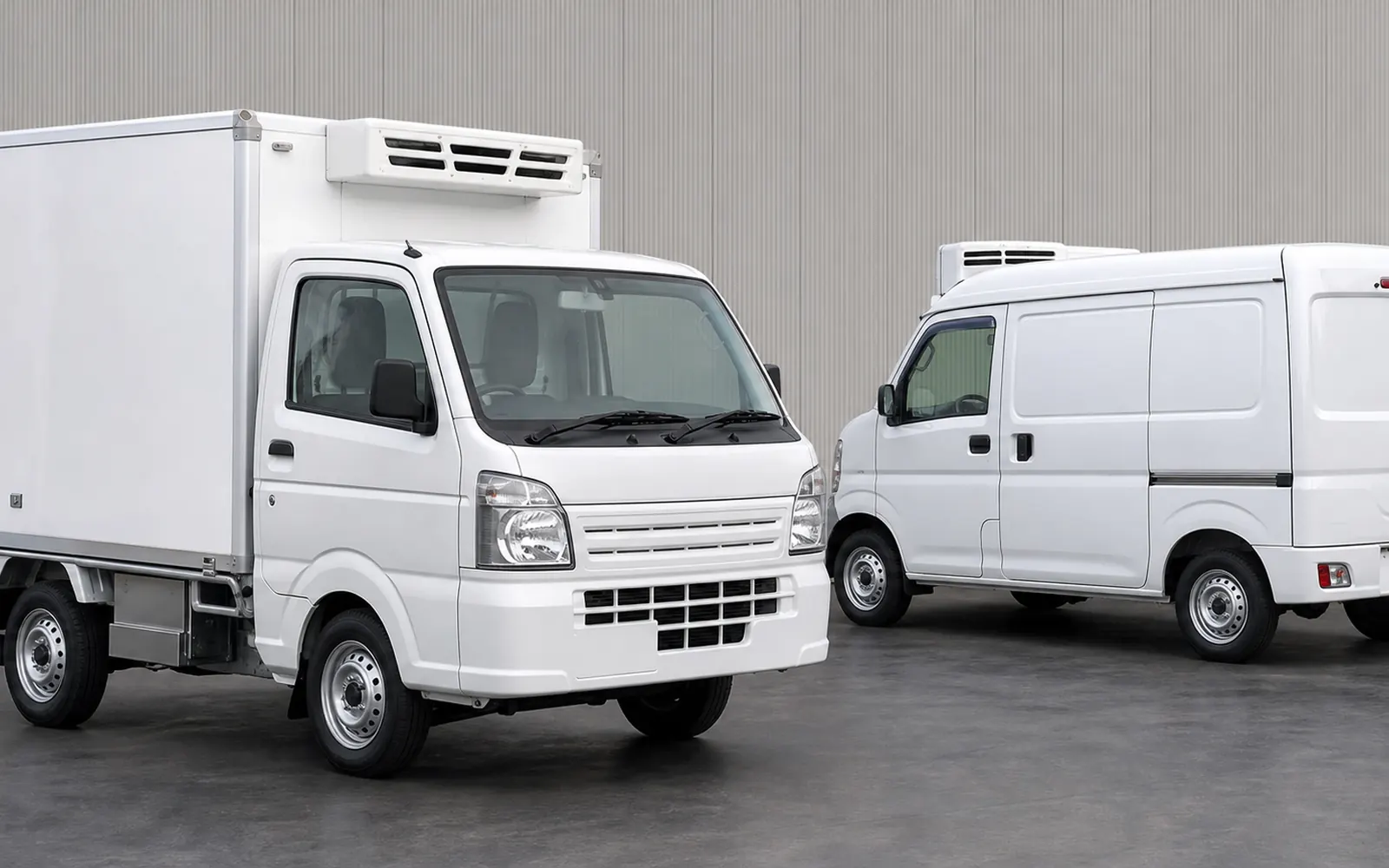
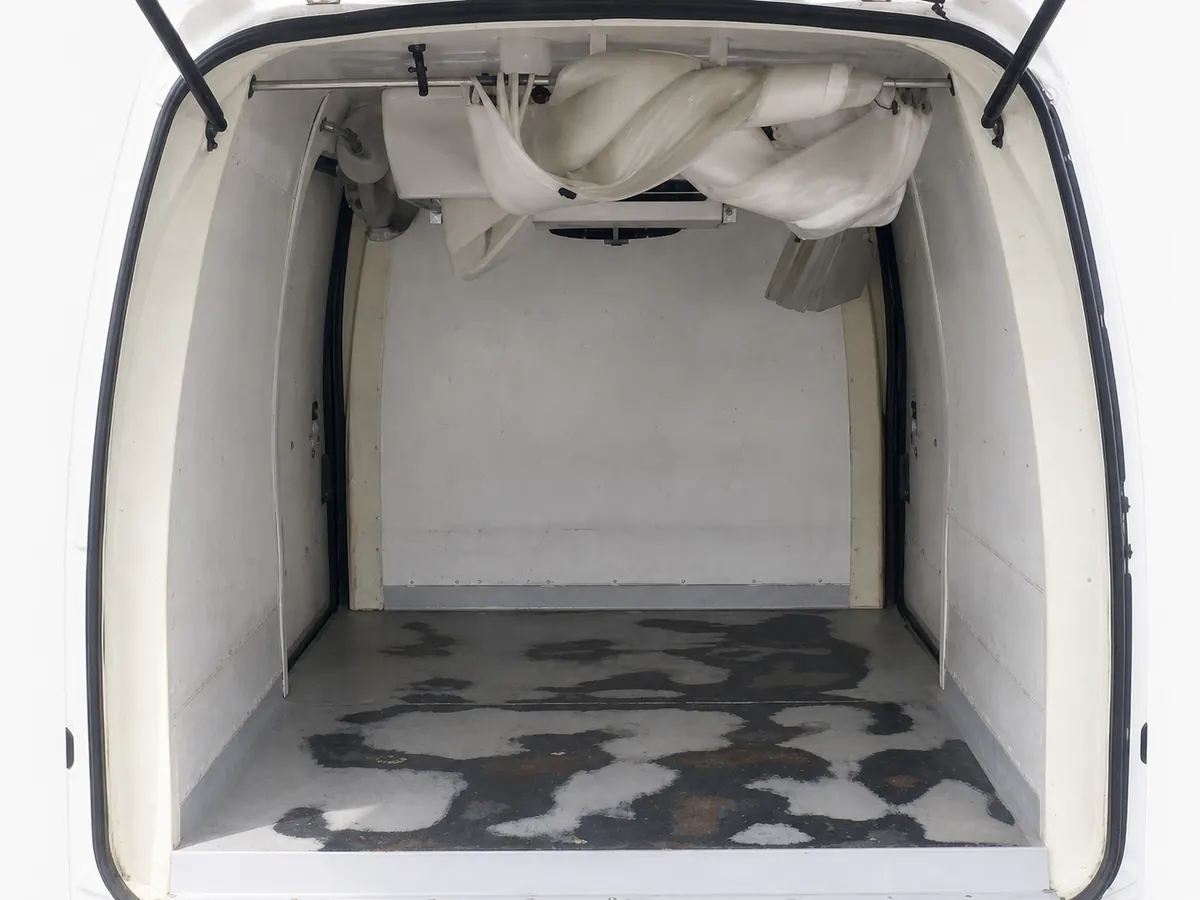
Original Mirai Trading editorial image of a refrigerated kei truck body style. Confirm the individual chassis plate, build month and fitted refrigeration equipment on the actual unit.
“Refrigerated kei trucks” is the clearest primary term
It matches the truck-based body buyers usually mean and leaves room for the industry term “reefer.” Use “kei freezer trucks,” “refrigerated Japanese mini trucks” and “refrigerated kei vans” as secondary phrases—not as interchangeable technical ratings.
Insulated / cold-retention body
Insulation slows heat gain, but the body may have no powered refrigeration system. Ice packs or dry ice may be used where the body and cargo rules allow it.
Ask for: insulation construction, seal condition and proof of any active unit before calling it refrigerated.
Refrigerated / chilled
An active refrigeration unit holds a moderate controlled range for chilled goods. Exact capability depends on ambient temperature, load, airflow, door openings and system condition.
Typical search intent: produce, flowers, prepared food, dairy and local multi-stop delivery.
Freezer / low-temperature
A stronger active system and usually thicker insulation support sub-zero operation. A “−20°C” controller setting is not proof that a used vehicle can reach or hold that temperature.
Ask for: pull-down graph, door-closed hold test, defrost operation and unit identification.
Build a temperature-controlled kei vehicle shortlist
Choose the cargo, temperature and delivery pattern. The result recommends a body/system class and a practical chassis search—not certification that a specific unit is suitable for food, medical or regulated goods.
Cold-chain configuration matcher
Prioritizes temperature class, door cycle, body type, power mode, drivetrain and destination timing.
A truck-based insulated box gives a square compartment and clear separation from the cab. Prioritize an active unit with verified pull-down performance and door seals.
Research first: DA52T / DB52T, S200P / S210P, HA6 / HA7 and equivalent base-truck codes—then identify the refrigeration body separately.
Minimum proof package: equipment plate, refrigerant, controller, cold-start video, empty and loaded pull-down test, hold-temperature log, defrost test, door-seal inspection and actual payload plate.
Five checks turn a cold-looking truck into usable evidence
Suzuki’s current instructions explicitly require pre-cooling and pre-cooled goods, warn against blocking air outlets and state that ambient temperature, sunlight and door openings affect pull-down time.
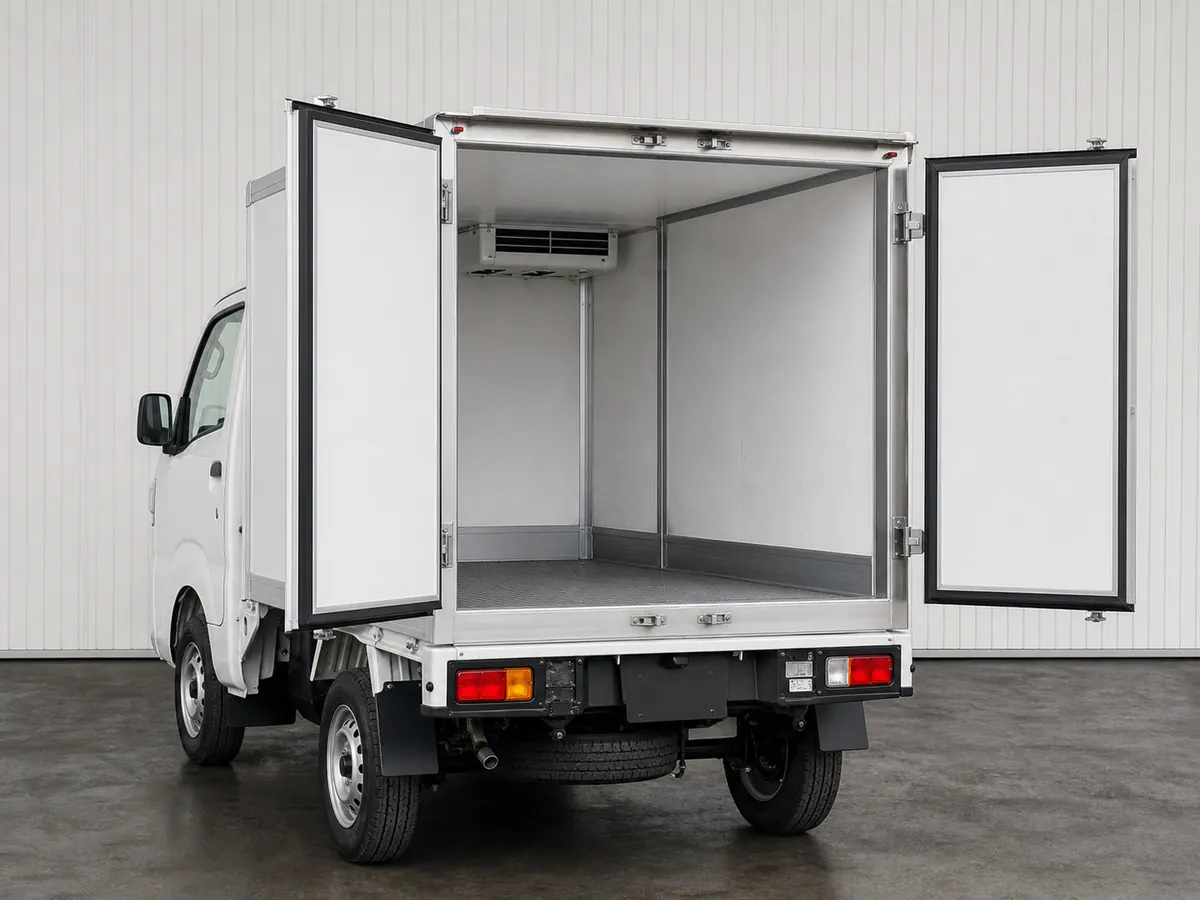
What a useful test log should record
Ambient temperatureStarting cargo temperatureSetpointDoor cyclesProbe positionsTime to targetDefrost recovery
A controller photo can show the requested setpoint. It cannot prove calibration, cooling capacity throughout the compartment or performance in a hotter destination climate.
Base chassis codes and refrigeration equipment must both match
The chassis code identifies the truck or van family. It normally does not identify the box manufacturer, evaporator, compressor, setpoint range or standby-power option.
| Base family | Useful chassis-code bands | Import-age research | Refrigeration identity to add |
|---|---|---|---|
| Suzuki Carry | DC51T / DD51T, DA52T / DB52T, DA62T, DA63T, DA16T | 1990s and 1999–2001 bands; newer route-specific models | Container maker, refrigeration-unit maker/model, 1WAY/2WAY, door layout and actual temperature range. |
| Daihatsu Hijet Truck | S100P / S110P, S200P / S210P, S201P / S211P, S500P / S510P | Strong classic supply; the supplied truck is a 2019 EBD-S500P | Factory special-body or outside upfit, box plate, condenser/compressor and refrigerant. |
| Honda Acty Truck | HA3 / HA4, HA6 / HA7, HA8 / HA9 | 1990s and 1999–2001 are key conventional age bands | Refrigeration body was a special application; verify maker, weight and system independently. |
| Subaru Sambar Truck | KS3 / KS4, TT1 / TT2; later OEM S201J / S211J, S500J / S510J | Subaru-built classics versus later Daihatsu OEM trucks | Rear-engine layout can affect equipment placement; do not transfer specs between generations. |
| Mitsubishi Minicab Truck | U41T / U42T, U61T / U62T; later Suzuki OEM DS16T | Classic Mitsubishi-built and newer OEM search bands | Service parts follow the actual chassis and refrigeration maker, not only the grille badge. |
| OEM twins | Nissan Clipper/NT100, Mazda Scrum Truck and later badge-engineered variants | Useful for widening auction searches | Use the OEM-specific frame code and documents; never substitute a related model’s approval. |
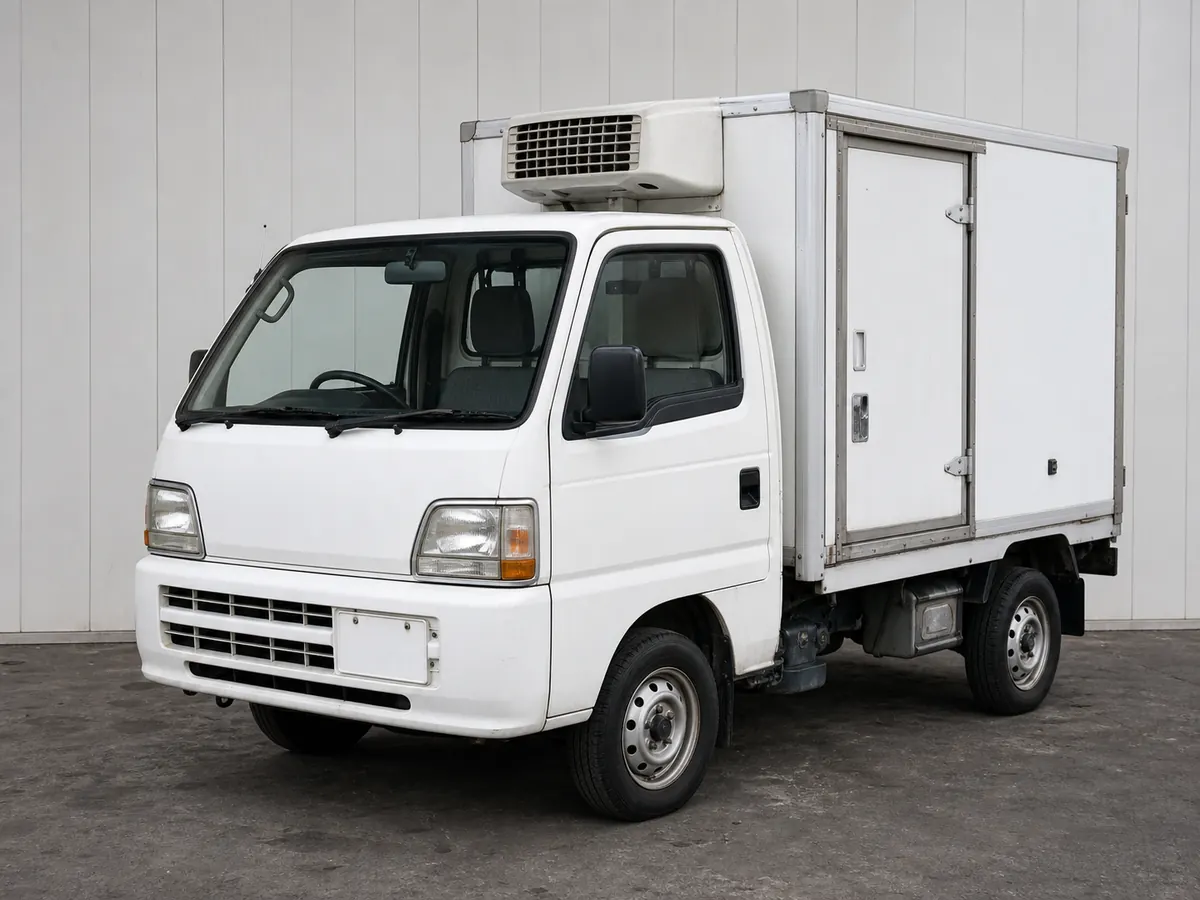
Two real configurations show why the body system changes the buying process
Auction-sheet facts below are observations for these two reference units. They are not general specifications for every S500P truck or S321V van.
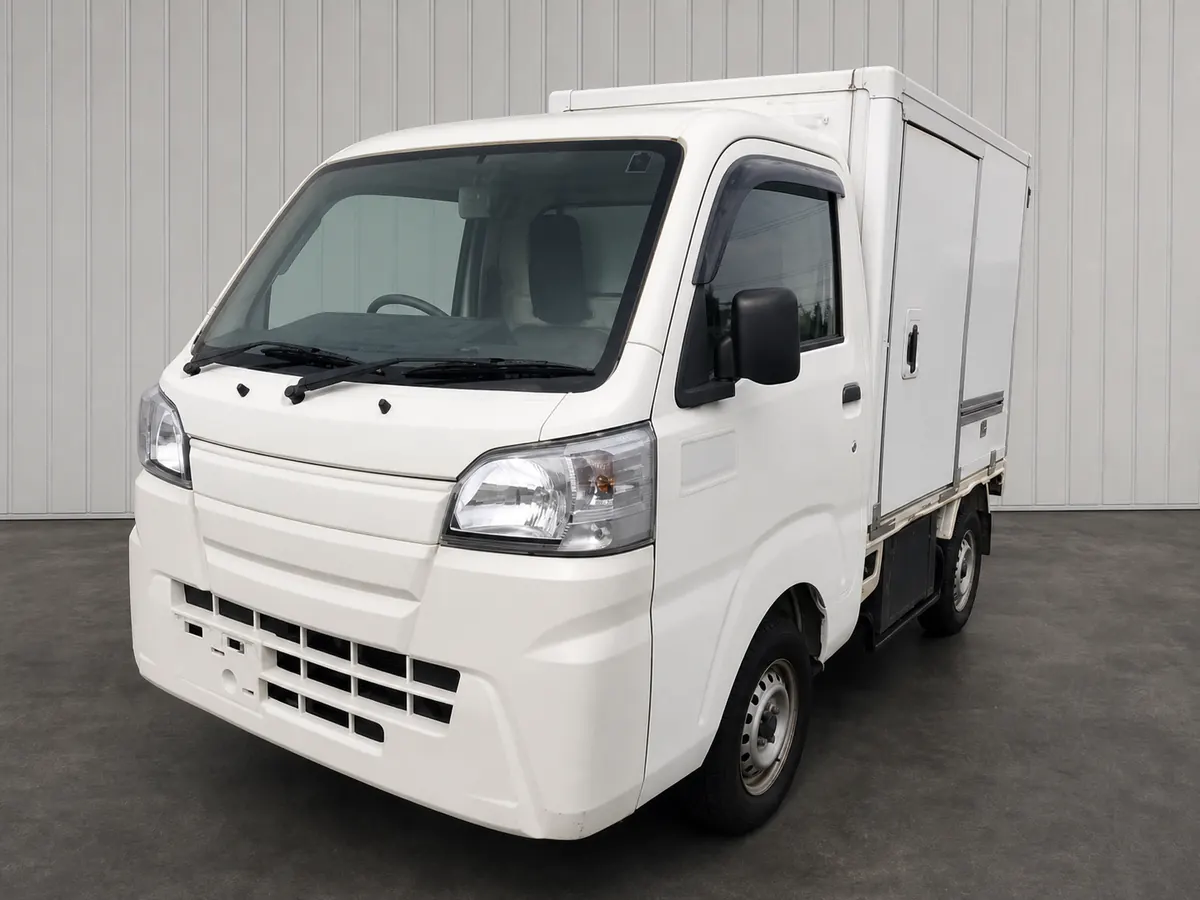
Reference A: December 2019 Daihatsu Hijet Truck
This unit combines a two-seat kei-truck cab and separate Topre refrigerated body. The square box gives clean cargo separation and vertical room, while the upfit adds equipment, seals, wiring, drainage and service requirements that the chassis code cannot describe.
EBD-S500P, 2WDMZ01L2B-GS500P truck and box 3 supplied views
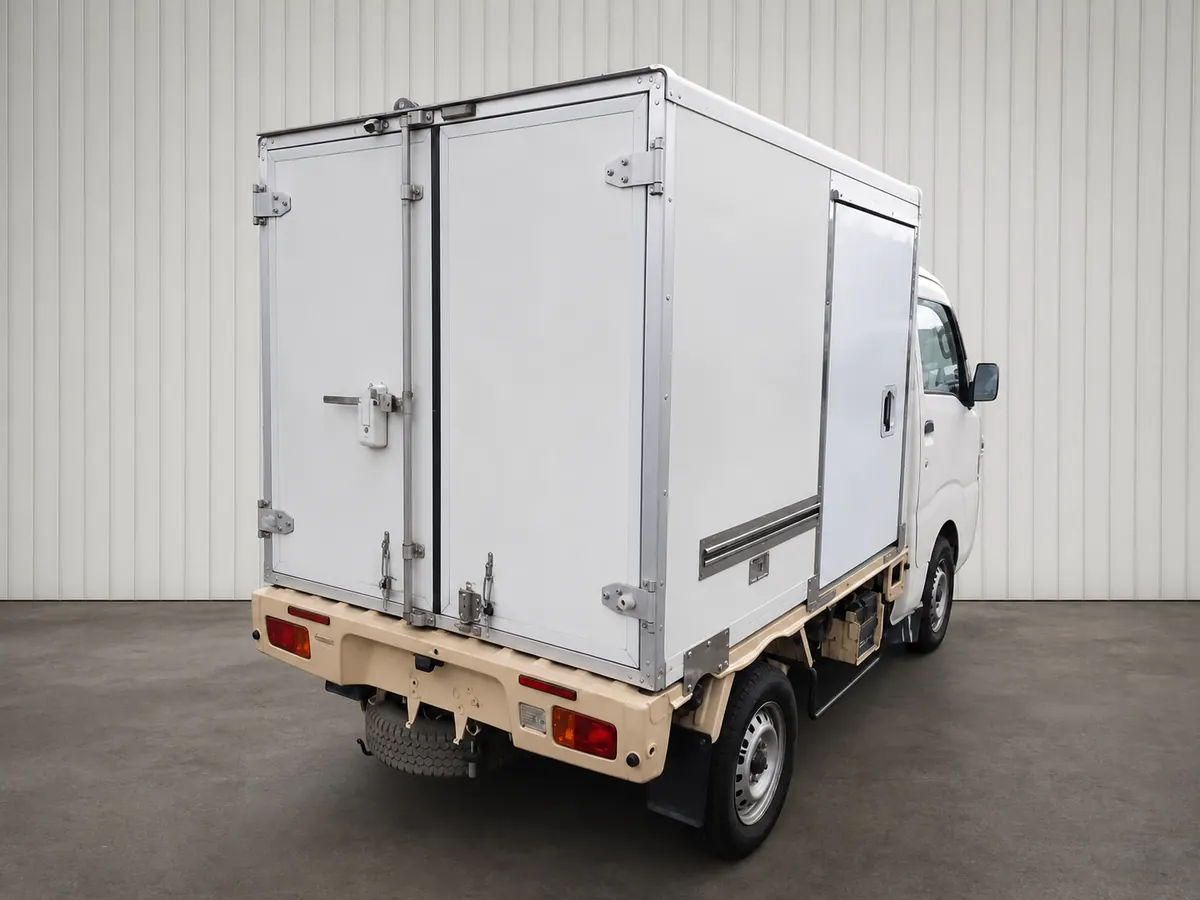
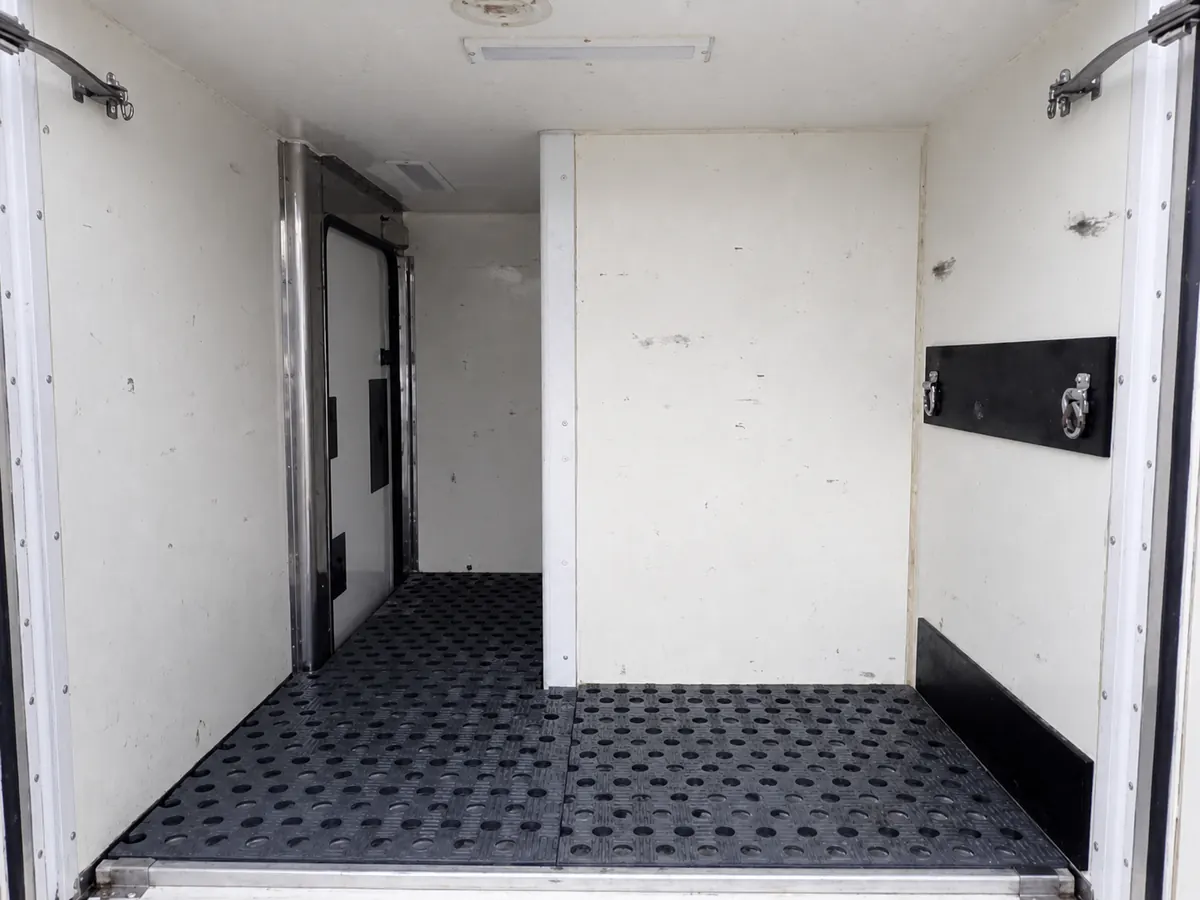
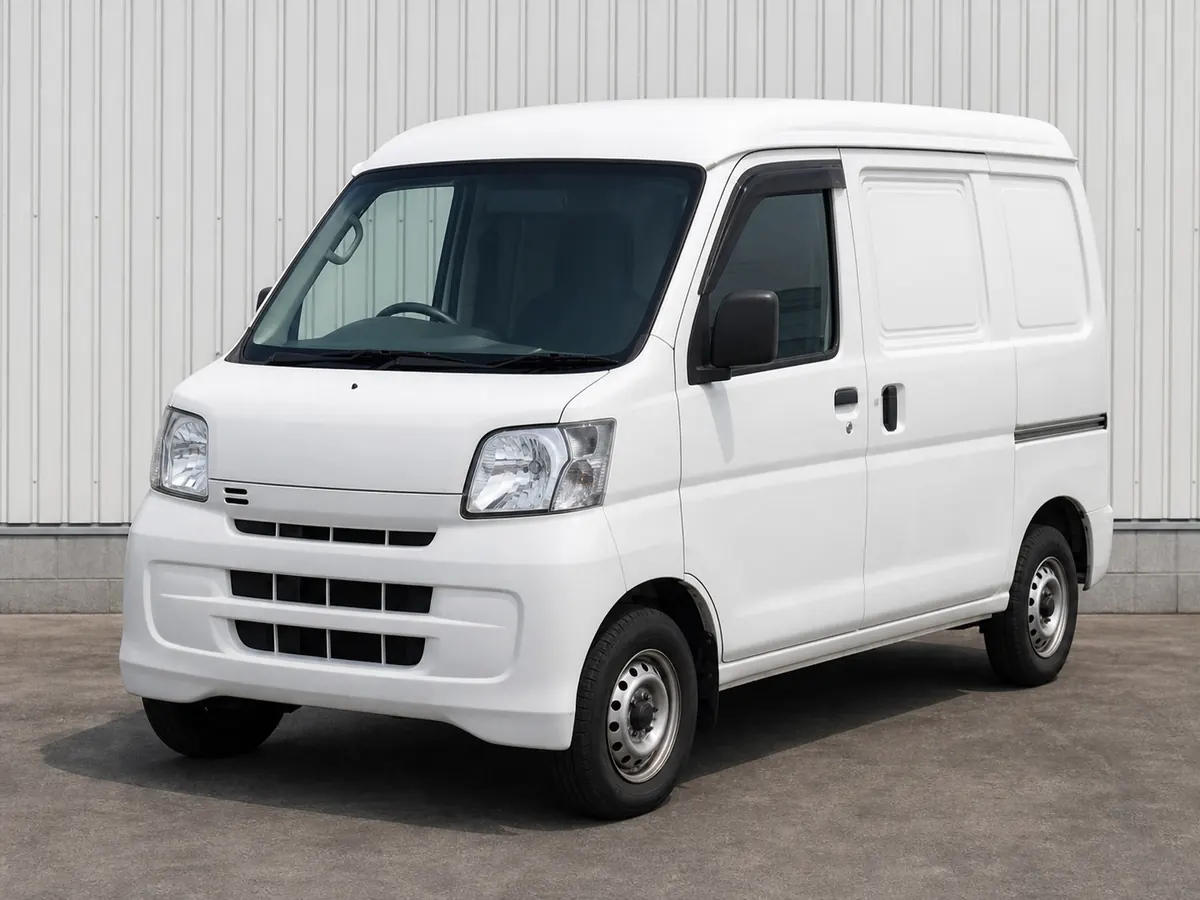
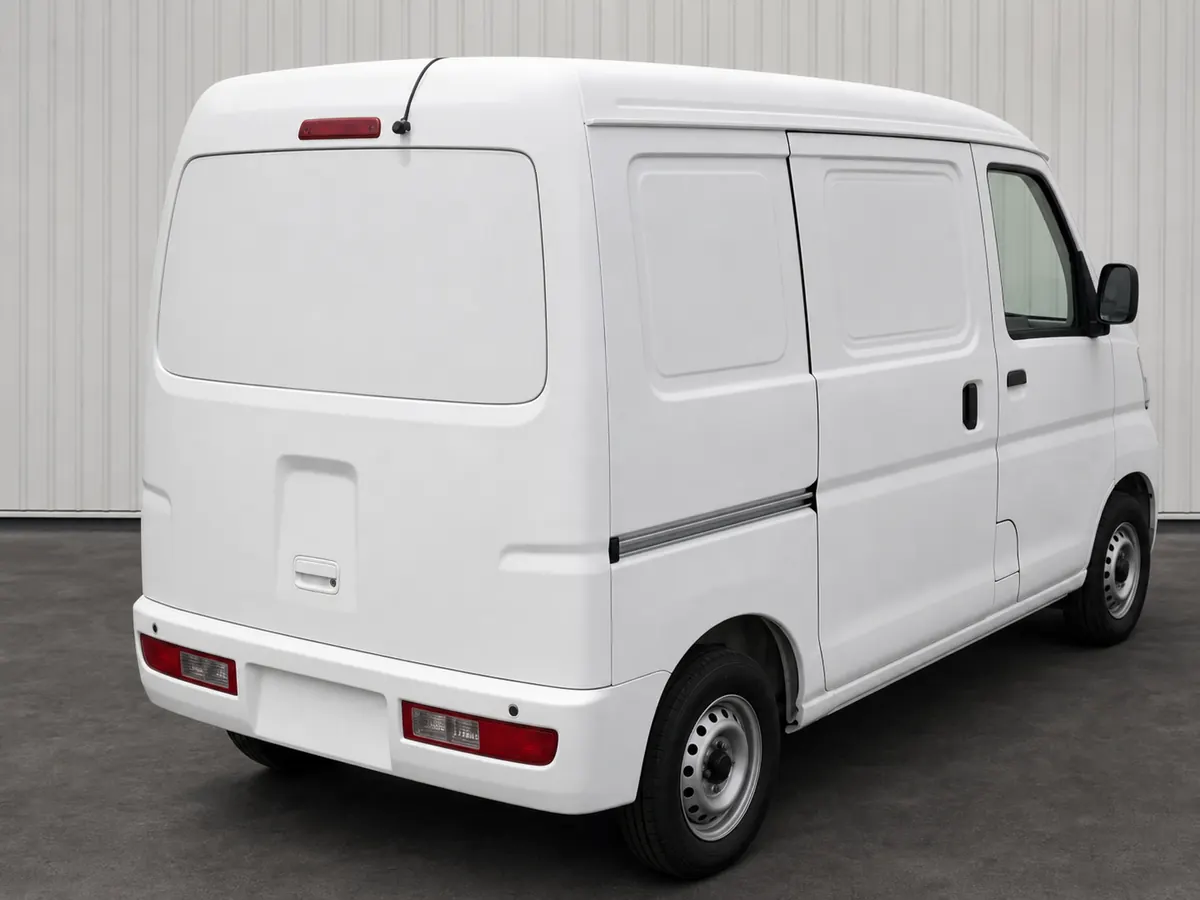
Reference B: June 2017 Daihatsu Hijet Cargo
This sealed-panel cargo van keeps the refrigeration body within the original van envelope. It has a lower loading height and sliding-door packaging, but less square volume than a truck box and more complex insulation around factory body apertures.
EBD-S321V, 2WDThe auction sheet does not provide a verified loaded payload or performance graph. Confirm whether the rear seating remains usable after insulation and equipment installation.
S321V refrigerated van 3 supplied views
System class changes insulation, cooling power and workflow
Suzuki’s current Carry food-series material provides a useful modern comparison. These figures describe current DA16T special bodies and must not be copied onto the supplied Daihatsu units or an older Carry.
| Current Suzuki class | Published temperature range | Published construction/system | Best use of the data |
|---|---|---|---|
| Refrigerated truck | −5°C to +20°C | 50 mm rigid polyurethane insulation; 1WAY or 2WAY depending version; digital temperature control | Benchmark for moderate-temperature delivery and external standby questions. |
| Low-temperature freezer truck | −20°C to +20°C | 75 mm side insulation and 100 mm roof/floor insulation; stronger low-temperature system | Shows why insulation thickness and door design matter for frozen goods. |
| Mobile-sales refrigerated truck | −5°C to +20°C | Sales-oriented body with water tanks and access layout | Separate food-service workflow; not the same body as a sealed delivery box. |
| Insulated truck | No active refrigeration range published | 50 mm rigid polyurethane insulation; dry ice may be used for pre-cooling as appropriate | Cold retention only unless separate active equipment is documented. |
1WAY
Cooling operates from the vehicle/engine system while the truck runs. Confirm whether cooling stops with the engine and how the route handles loading delays.
2WAY / standby
An external electrical mode can pre-cool or hold temperature while parked, subject to the unit’s voltage, plug, frequency and destination compatibility.
Defrost and recovery
Frost removal temporarily changes compartment temperature. Test automatic defrost, drainage and recovery rather than treating a brief rise as immediate failure.
Which refrigerated kei vehicles belong on each market shortlist?
The complete vehicle, refrigeration upfit and refrigerant/service plan must all work at the destination. National import eligibility does not itself approve food use, registration or road access.
United States 25-year federal screen
The conventional NHTSA age route uses the exact manufacture date. Target 1990s and month-eligible 2001 chassis, then verify the completed-body date, state title/road rules and local refrigeration service.
Supplied 2017/2019 units: too new for the conventional 25-year route in 2026.
Open USA import guideCanada 15-year federal screen
Age uses month and year, and Transport Canada directs multi-stage vehicles to use the final-stage completion date. Provincial registration and commercial-use requirements remain separate.
Supplied 2017/2019 units: below the conventional 15-year threshold in 2026.
United Kingdom Approval depends on age
Vehicles over ten years may avoid vehicle approval, while newer units need a different approval review. NOVA, registration, tax, MOT, body dimensions and refrigeration service still require planning.
Supplied units: both are under ten years old in July 2026.
Australia Route-specific
Older candidates can be assessed under the 25-year concessional route. Newer refrigerated specials require an applicable approval path for the exact chassis and completed vehicle.
Do not assume: approval for a standard kei truck automatically covers its refrigerated upfit.
Open Australia import guideNew Zealand Standards and evidence
Entry certification is based on applicable standards and evidence rather than one universal age exemption. Screen the base vehicle and body modifications before bidding.
Operational check: arrange local refrigerant, electrical and temperature-calibration support.
Open New Zealand import guideAll five markets
Confirm refrigerant handling, electrical standby compatibility, food-business rules, cleaning materials, temperature logging and commercial insurance locally.
Mirai sourcing rule: do not bid until the destination and required operating range are written into the brief.
Ask Mirai about a destinationInspect the truck, the body and the cold system as three assets
A working engine does not prove a working cold chain. A cold evaporator does not prove a sound chassis. The sourcing file needs evidence for all three.
Questions to answer before bidding
What is the best keyword for this type of vehicle?
Refrigerated kei trucks is the clearest primary English keyword for truck-based Japanese kei vehicles with active cooling. Reefer kei truck, kei freezer truck and refrigerated Japanese mini truck are useful secondary terms. Refrigerated kei van should be used when the base vehicle is an integrated cargo van.
Is an insulated kei truck the same as a refrigerated kei truck?
No. An insulated body slows heat transfer but may have no powered cooling system. A refrigerated or freezer vehicle has an active unit, controller and refrigerant circuit. Confirm the equipment plate and performance test instead of relying on body shape or Japanese lettering.
What does reefer kei truck mean?
Reefer is commercial-transport shorthand for refrigerated. A reefer kei truck is a kei-class truck with an insulated temperature-controlled body and active refrigeration equipment.
Can a refrigerated kei truck hold minus 20 degrees Celsius?
Yes, some low-temperature freezer configurations are designed for operation around minus 20 degrees Celsius, but a controller setpoint is not proof of that performance. Ambient heat, insulation, load temperature, door openings, airflow, defrost and system condition all affect actual results. Require a documented pull-down and hold test before relying on that spec.
What is the difference between 1WAY and 2WAY refrigeration?
A 1WAY system cools from the vehicle or engine-driven system while operating on the road. A 2WAY system adds an external standby-power mode for pre-cooling or parked operation. Verify the actual plug, voltage, frequency and protection for the destination.
Does the kei truck chassis code identify the refrigerator unit?
No. The chassis code identifies the base truck or van family. The container maker, refrigeration-unit maker, model, serial number, refrigerant, temperature range and body-completion date must be recorded separately.
How much can a refrigerated kei truck carry?
Many Japanese kei trucks have a 350 kg maximum-load class, and the supplied 2019 S500P auction sheet shows 350 kg. The actual plate controls, and cargo planning must include shelves, ice, batteries, tools and any equipment added after completion.
What do the supplied auction vehicles show?
The first is a December 2019 Daihatsu Hijet Truck EBD-S500P with a separate Topre refrigerated box, 2WD, automatic transmission and an observed minus 22 degrees Celsius setting. The second is a June 2017 Daihatsu Hijet Cargo EBD-S321V refrigerated van with a stated minus 2 to plus 35 degrees Celsius range. These are unit-specific observations, not general model specifications.
Why is pre-cooling important?
Vehicle refrigeration is normally expected to maintain already cooled goods rather than rapidly chill a warm load. Pre-cooling the compartment and cargo reduces pull-down demand and helps the system recover after doors are opened.
Can the supplied 2017 or 2019 vehicles use the US or Canadian age route now?
Not in 2026. The conventional US federal route requires at least 25 years from the exact manufacture date, while Canada’s federal age exclusion generally begins at 15 years and can use the final-stage completion date for multi-stage vehicles. State and provincial rules remain separate.
Can a refrigerated kei truck transport food or medicine immediately after import?
Not automatically. The operator may need cleaning procedures, calibrated temperature logging, business approvals, product-specific validation or other local controls. Import eligibility and a cold controller do not certify a vehicle for regulated cargo.
What should Mirai verify before sourcing a refrigerated kei truck?
Mirai should verify the base chassis and dates, bodybuilder and refrigeration plates, refrigerant, payload, door seals, insulation, drainage, controller, compressor, condenser, evaporator, defrost, standby power and a documented pull-down and hold-temperature test matched to the buyer’s route.
Primary references used for this page
Current manufacturer figures are kept separate from the two supplied auction units. Destination guidance is summarized only to define a sourcing search.
- Suzuki Japan — current Carry food-series bodies, insulation, systems and temperature ranges
- Suzuki Japan — current Carry special-body specifications and payload
- Suzuki Japan — Carry low-temperature freezer truck and −20°C design reference
- Daihatsu Japan — current Hijet insulated and refrigerated special-body lineup
- Daihatsu — 2026 Hijet special-body lineup in English
- Topre — refrigerated-vehicle equipment and refrigerant component reference
- Japan MLIT — structural requirements for refrigerated/freezer vehicle body classification
- NHTSA — US vehicle importation FAQ and 25-year rule
- Transport Canada — older and multi-stage vehicle age treatment
- Australian Government — concessional RAV entry approvals
- NZTA — used-vehicle standards and evidence
- GOV.UK — importing vehicles into the United Kingdom
Send Mirai the required temperature, route and proof standard
Tell us the destination, cargo, target range, ambient conditions, delivery duration, door-opening frequency, body preference, drivetrain and standby-power needs. A Mirai representative can turn that operating brief into chassis, bodybuilder and refrigeration-unit filters.