
Mazda RX-3 Savanna for Sale: Rotary USA Buyer Guide
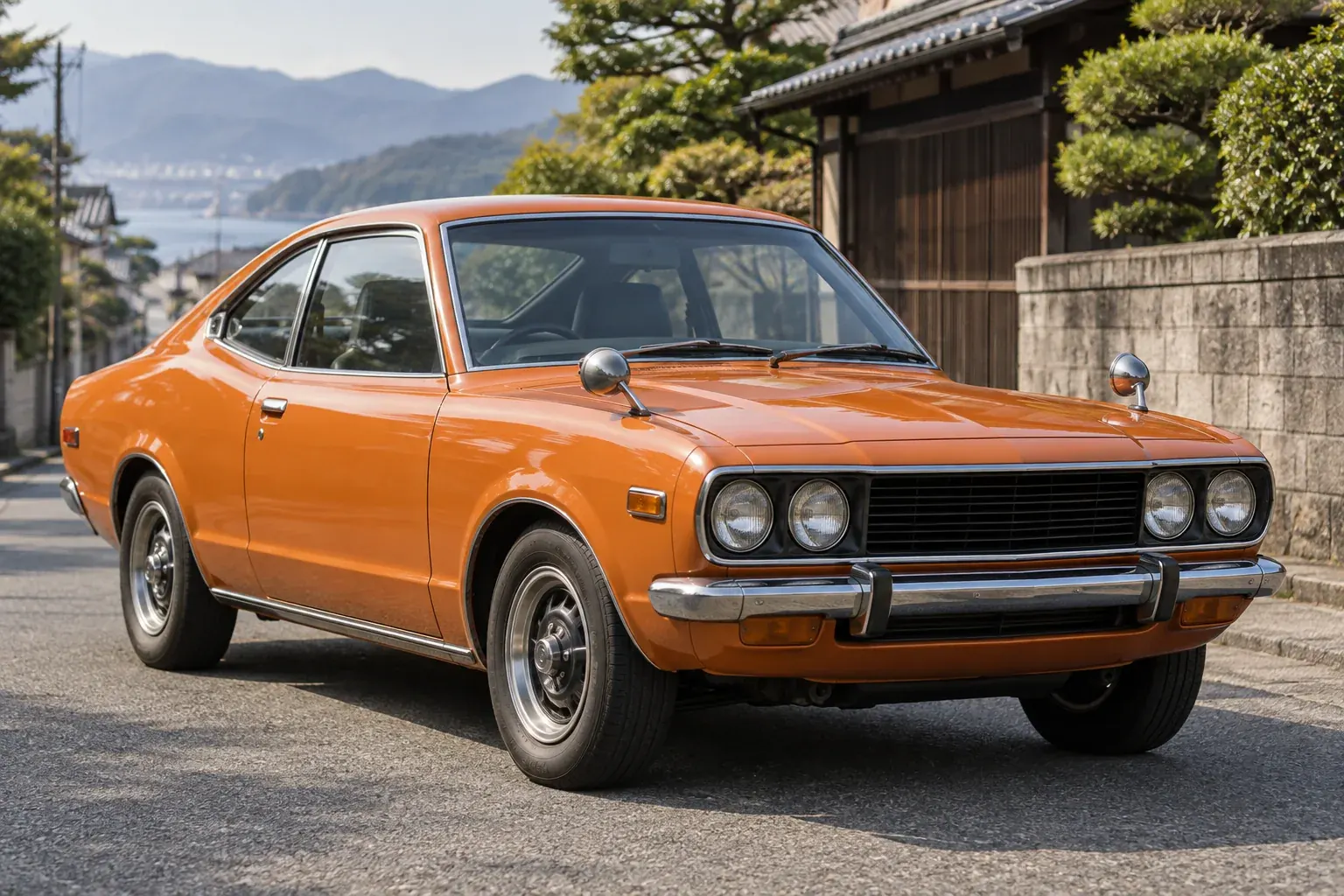
The Mazda RX-3 Savanna is an early rotary classic where genuine engine and body identity, corrosion and restoration quality matter most. Mirai can source Japan-auction candidates with a clear 10A/12A and coupe/sedan brief.
Mazda history
Launch engine
Mazda history
Verify records
Mazda RX-3 Savanna models and factory specification
Factory identity and the actual manufacture date determine which auction path deserves a closer look.
Mazda’s Savanna history dates its Japanese launch to September 1971 with the 10A rotary and coupe and sedan bodies; Mazda records a 12A update in 1972. RX-3 is widely used for export-market and enthusiast descriptions, so compare the exact domestic Savanna chassis, original engine and body against documents. Mazda’s motorsport history is context, not evidence that a road car is a racing variant.
Factory references: Mazda Savanna history (current manufacturer history: September 1971 10A launch, 1972 12A; checked September 26, 2026).
| Candidate path | Factory context | Buyer check |
|---|---|---|
| Early Savanna 10A | 1971 launch specification | Verify original rotary and body. |
| Later Savanna 12A | 1972-on rotary update | Check factory engine and repair history. |
| Modified/RX-3-style car | Rotary, trim or body conversion | Price by actual documented identity. |
Historical records establish representative configurations; the individual auction car may differ by date, grade and modification.
How to buy the right RX-3 Savanna from Japan
Turn a model preference into a defined auction search and an evidence-backed bid decision.
Decide coupe or sedan and original 10A or later 12A. An evocative racing look can be enjoyable, but it must not replace proof of the original chassis and metal condition.
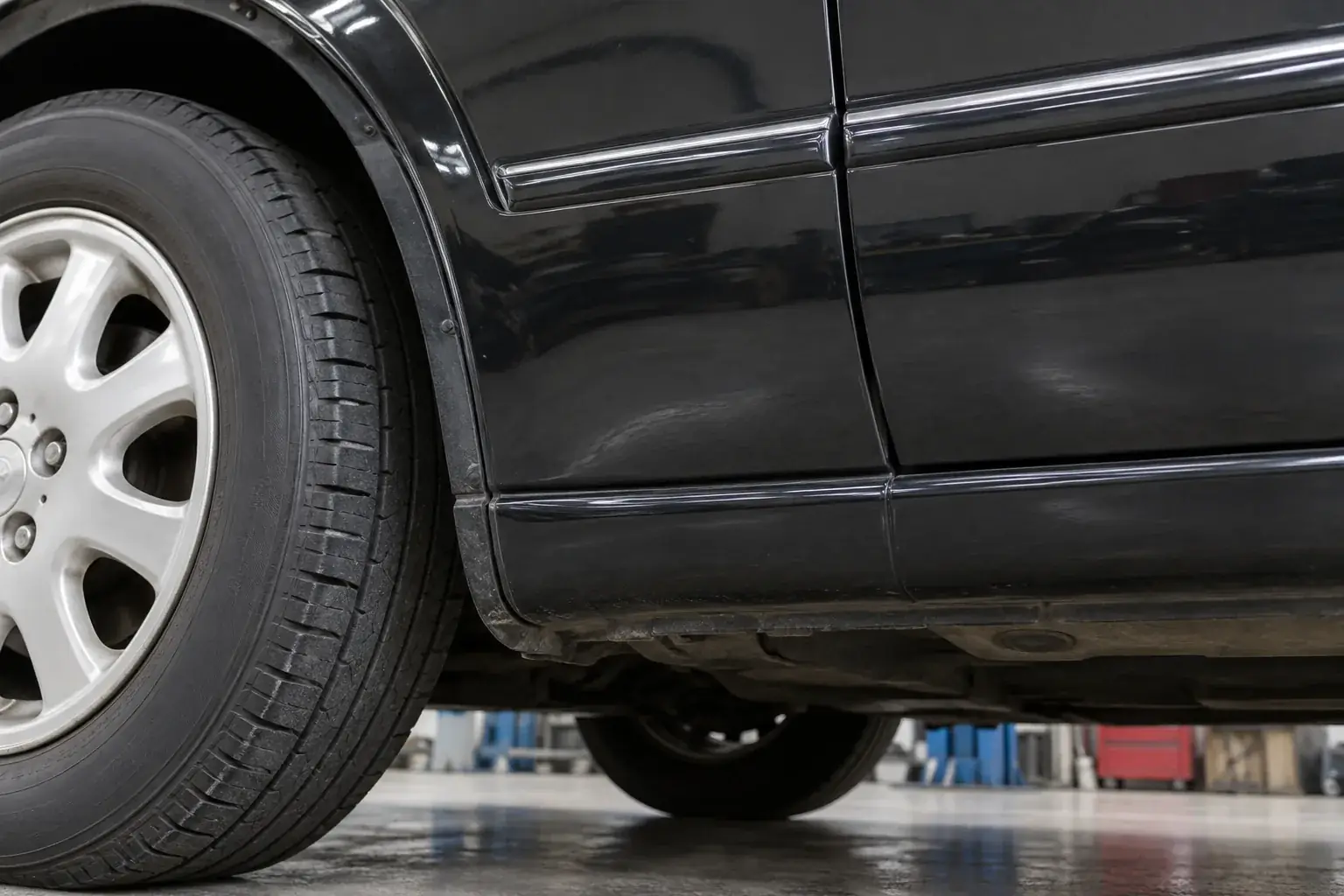
Request underside and sill images, engine number, rotary health evidence and restoration photographs. For an older repaint, focus on what happened beneath the finish.
Mirai can compare lots from major Japanese auctions, obtain the auction-sheet disclosures and help request more evidence on serious candidates. Ask for a lot-specific landed-cost and shipping estimate; currency, freight and auction results change, so this guide does not publish a fixed vehicle price.
Known problems and model-specific inspection points
Use these checks to test the specific factory identity and condition, not just the auction grade.
| Area | What to check |
|---|---|
| Corrosion and structural repair | Inspect sills, floors, rails, arches and old restoration seams. |
| Rotary engine identity | Match 10A or 12A to factory records; request health and hot-start evidence. |
| Rare trim and glazing | Inventory unique exterior pieces and replacement availability. |
| Period drivetrain | Check gearbox, differential and brake conversions. |
| Racing-look claims | Separate genuine history from replica wheels, stripes or flares. |
What drives value in this market
Compare condition and provenance tiers without attaching a price that will age with the next auction.
Original shell and engine, sound metal, traceable restoration, complete trim and credible mileage move value. A race replica or engine-swapped car needs its own tier and documentation.
A strong candidate file connects chassis and engine identifiers with the export certificate, auction sheet, mileage trail, service history and independent inspection. Read grade and repair markings alongside photographs. Originality is most valuable when it is documented; a modified car needs an equally clear account of parts and workmanship.
Cross-model comparison
The RX-3 precedes the RX-7 FC and FD; compare classic restoration risk with later rotary performance. Explore the classic Japanese cars hub for the broader buyer landscape.
Build a U.S. auction search brief
Select an exact variant, manufacture window and destination. The age result is a planning screen, not import approval.
Candidate planner
Your choices and the age-screen result are included in a WhatsApp draft for Mirai.
A documented build day and actual U.S. entry date settle a borderline 25-year anniversary.
Your sourcing brief
DATE EVIDENCE NEEDEDEarly Savanna 10A
Select the documented build month when available.
Verify the installed engine against factory records.
Texas title and registration rules must be checked for the candidate.
USA import: age, engine, customs and state title
Apply four different screens to the exact auction vehicle and its destination.
- Manufacture date. NHTSA’s current import FAQ (checked September 26, 2026) counts the 25-year FMVSS exemption from actual manufacture and uses HS-7 Box 1. A model-year label is not enough.
- Original engine. EPA’s importing guidance, updated September 1, 2026, ties the over-21 provision to the same engine model and configuration originally installed.
- Entry file. CBP’s Article 000001340, published February 13, 2026, identifies DOT HS-7 and EPA 3520-1 declarations. Align ownership, export and chassis documents.
- Destination state. Find the current agency through USA.gov’s state directory. California DMV’s imported-vehicle page (checked September 26, 2026) illustrates its separate direct-import document and emissions requirements.
Mirai Auction Portal: filter real candidates across Japan
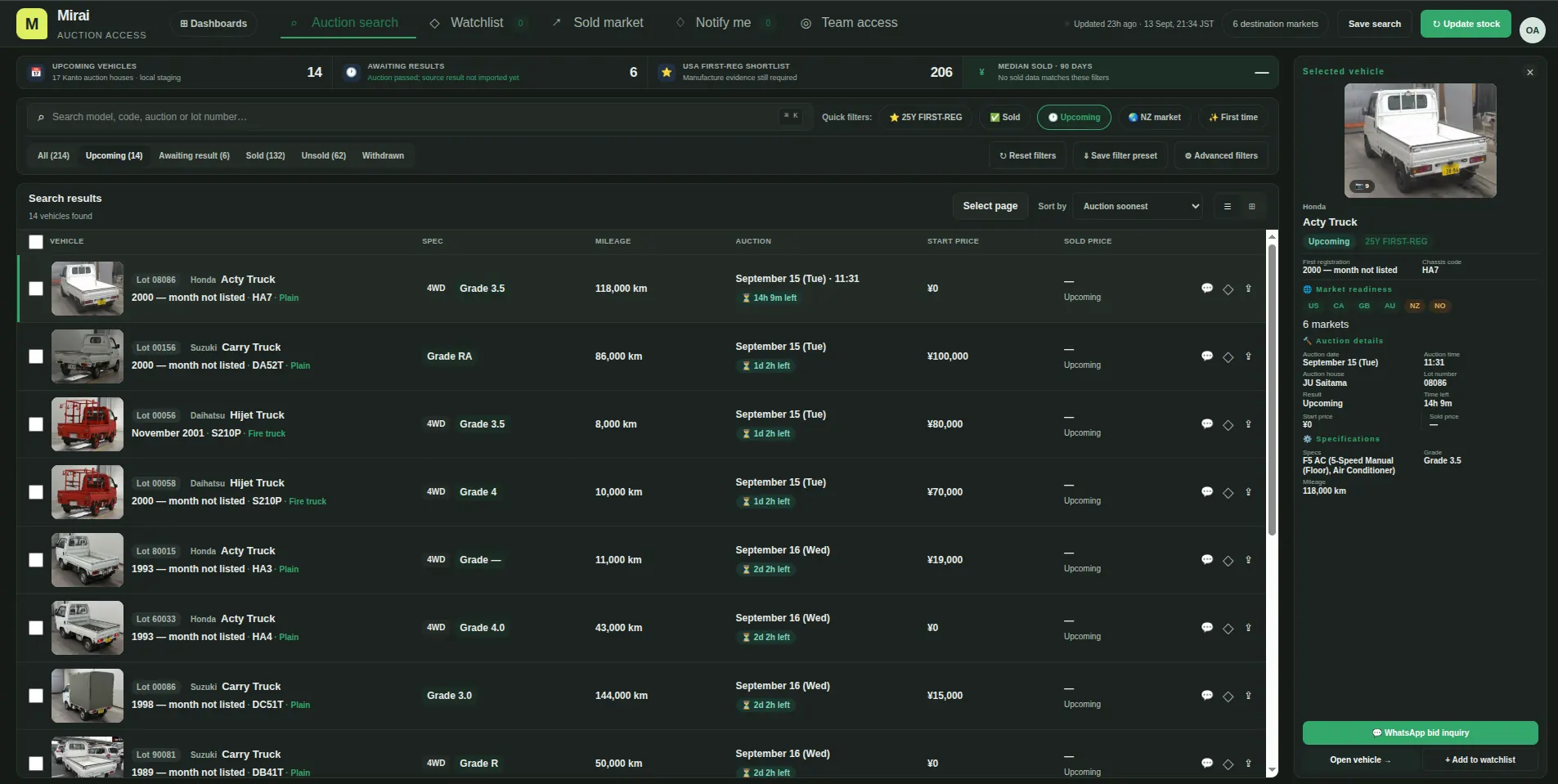
Mirai offers exclusive portal access to customers after inquiry. It covers major Japanese auctions and supports robust filters around a U.S. buyer’s brief.
Start with factory model, chassis, manufacture window and original engine. Narrow by mileage, grade, repair history, modifications and the inspection evidence that matters for your chosen variant. Then compare lots and ask Mirai to review a shortlist.
What a U.S.-focused shortlist means
The search prioritizes age, identity, engine, paperwork, condition and destination-state concerns. Listings are not automatically eligible, registrable or Mirai-owned.
Mazda RX-3 Savanna buying and import FAQs
Direct answers for the U.S. buyer’s first shortlist.
Did the Savanna launch only with a 12A?
No. Mazda records a 10A launch and a 12A update in 1972.
Does racing-style trim prove a competition car?
No. Trace factory identity and actual competition provenance separately.
Is a new paint finish enough to judge an RX-3 shell?
No. Inspect rust-prone metal and the restoration record.
Can Mirai find a RX-3 Savanna for sale through Japanese auctions?
Yes. Mirai can filter major Japanese auctions for a documented RX-3 Savanna candidate and arrange exclusive customer portal access after inquiry; availability changes by auction.
Is every RX-3 Savanna old enough for the U.S. 25-year route?
Yes. The production years covered here have passed 25 years by September 2026; still document the actual build date and check engine and entry papers.
Can an engine-swapped RX-3 Savanna use EPA’s over-21 provision?
Generally no. EPA requires the same engine model and configuration originally installed for that provision.
Does federal entry guarantee a state title?
No. The destination state separately controls title, inspections, emissions and road use.
Does California registration follow the federal 25-year route automatically?
No. California DMV applies its own direct-import registration documents and emissions requirements.
Is an auction grade enough to judge condition?
No. Grade helps triage lots, but structural photos, the auction sheet, history and inspection establish the condition tier.
What moves RX-3 Savanna value most?
Factory originality, structural condition, mileage evidence, service records and matching identity documents set the value ladder; this guide gives no fixed prices.
Is the Mirai Auction Portal public inventory?
No. Access is exclusive to Mirai customers after inquiry. A displayed lot is not necessarily Mirai-owned stock or approved for U.S. entry.
What information should I send Mirai first?
Send your destination state, preferred RX-3 Savanna variant, intended use and budget range. Mirai can build a filtered auction shortlist and request candidate-specific evidence.
Primary sources and review method
Manufacturer records support factory facts; federal and state agencies support import and title rules. Last checked September 26, 2026.
- Mazda Savanna history — current manufacturer history: September 1971 10A launch, 1972 12A; checked September 26, 2026.
- NHTSA Importation and Certification FAQs — current page, checked September 26, 2026: manufacture-date 25-year route and HS-7.
- EPA Learn About Importing Vehicles and Engines — updated September 1, 2026: over-21 original-engine provision.
- CBP How to Import Your Automobile — Article 000001340, published February 13, 2026: entry forms.
- USA.gov State Motor Vehicle Services — current state directory, checked September 26, 2026.
- California DMV Register an Imported Vehicle — current direct-import page, checked September 26, 2026.
Candidate evidence
Factory specifications are reference points. Mirai should compare actual chassis and engine identifiers, auction sheet, export certificate and inspection photos before treating a lot as a credible U.S. shortlist.
Related model guides
Compare the Mazda RX-3 Savanna with these Mirai buyer guides before you set an auction brief.
Find the right RX-3 Savanna through Japan’s auctions
Send Mirai your target variant, U.S. state and condition priorities. We can shape a customer-only portal search and a focused evidence request for the lots you like.